
NUTRIENT REMOVAL RESOURCES
-
 As warmer months approach, water management professionals must confront the compounding consequences of biocidal algae treatments.
 -
 A shift in how we approach source water protection is long overdue. Currently, we are trapped in a cycle of escalating costs, forced to treat symptoms like algae and invasive weeds expediently with chemicals while the underlying risk in the reservoir compounds. True risk management requires breaking this cycle.
 -
 Einstein once said of compound interest, "He who understands it, earns it. He who doesn't, pays it." The same logic of compounding applies to the organic sediment accumulating on the floor of your drinking water reservoir. The longer you wait to address it, the more exponentially expensive it becomes to fix.
 -

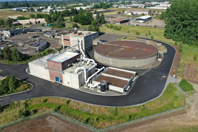
Upgrade wastewater operations with automated aerobic digestion. This advanced process increases capacity and ensures stable temperature control for Class A compliance, producing odor-free biosolids and efficient nitrogen removal to meet strict environmental standards and community expectations.
-

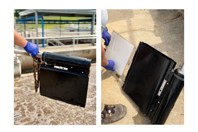
Optimize wastewater nitrification by utilizing real-time ammonia monitoring instead of surrogate measurements. Direct visibility into nutrient levels allows for precise aeration control, significantly reducing energy costs and carbon emissions while maintaining strict permit compliance.
-

Read about three of the most pressing wastewater challenges utilities face today and how Stratmoor Hills, Key West Resort Utilities, and Beijing Water Group are using advanced treatment and reuse to overcome them.
-

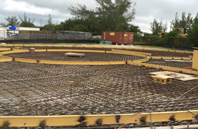
Water scarcity poses unique challenges to KW Resort Utilities Corp. (KWRU), the utility firm that provides wastewater management, wastewater recovery, and wastewater treatment in the region. KWRU began operation in the late 1960s and has worked hard over the decades to keep up with wastewater needs as population and tourism have boomed, spurred by land reclamation and development.
-

This paper presents a comprehensive overview of technologies for phosphorus removal and recovery, including chemical and biological processes, ballasted clarification, filtration, and nutrient recovery.
-

Technology like advanced process control systems can streamline operations, create opportunities to lower costs and emissions, and ensure effluent quality meets the highest standards. Research also indicates that implementing an appropriate control strategy can help reduce N2O emissions.
-

Learn how a beverage plant cut its annual Reverse Osmosis reject water hauling volume by 50%. Real-time Total Nitrogen monitoring reduced compliance costs by $350,000 and eliminated discharge penalty risk.
-
A densified sludge process can improve wastewater treatment by promoting larger, denser sludge particles. This enhances settling, improves nutrient removal, and increases treatment capacity.
-

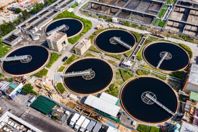
Large wastewater facilities are designed to remove physical, chemical, and biological contaminants from domestic wastewater or industrial effluent, producing treated water that is safe to discharge into rivers. But they’re expensive and energy-intensive. They’re also difficult to maintain in rural areas where local government doesn’t get much revenue.
-
 Finding the right wastewater treatment solution can be tricky, especially for smaller operations. Modular small-scale wastewater treatment systems offer practical solutions for various settings, from hotels and resorts to real estate developments and remote communities. How do you pick the right system? Let's explore these systems and their importance.
 -

Entrusted HOA and lake board members seek the best path forward to preserve the lake lifestyle in the face of algal blooms, health risks, lake closures, unpleasant odors, and falling property values.









-
 As warmer months approach, water management professionals must confront the compounding consequences of biocidal algae treatments.
 -
 A shift in how we approach source water protection is long overdue. Currently, we are trapped in a cycle of escalating costs, forced to treat symptoms like algae and invasive weeds expediently with chemicals while the underlying risk in the reservoir compounds. True risk management requires breaking this cycle.
 -
 Einstein once said of compound interest, "He who understands it, earns it. He who doesn't, pays it." The same logic of compounding applies to the organic sediment accumulating on the floor of your drinking water reservoir. The longer you wait to address it, the more exponentially expensive it becomes to fix.
 -

Upgrade wastewater operations with automated aerobic digestion. This advanced process increases capacity and ensures stable temperature control for Class A compliance, producing odor-free biosolids and efficient nitrogen removal to meet strict environmental standards and community expectations.
-

Optimize wastewater nitrification by utilizing real-time ammonia monitoring instead of surrogate measurements. Direct visibility into nutrient levels allows for precise aeration control, significantly reducing energy costs and carbon emissions while maintaining strict permit compliance.
NUTRIENT REMOVAL VIDEOS

This episode of The Water Online Show's In The Flow podcast addresses the persistent challenge of nutrient removal in wastewater treatment. Hosts Travis Kennedy and Kevin Westerling and guest Jose Jimenez, VP of Wastewater Treatment at Brown and Caldwell, discuss the ongoing impact of excess nutrients like nitrogen and phosphorus, which fuel harmful algal blooms and degrade water quality.